 11
11## Best Computer for Home Use – Types You Should Know
## How to Choose the Best Computer for Home Use
## Hardware Specifications for the Best Computer for Home Use
What “Best Computer for Home Use” Really Means
Choosing a computer for home use isn’t about buying the most expensive machine — it’s about understanding what you need it to do. Are you planning to:
Browse the web and check email?
Do schoolwork or work-from-home tasks?
Edit photos or video?
Play games?
Use AI tools?
Store family photos, videos, and documents?
The right choice depends on your daily use case, budget, preferred form factor, and long-term goals.
content://media/external/downloads/1733
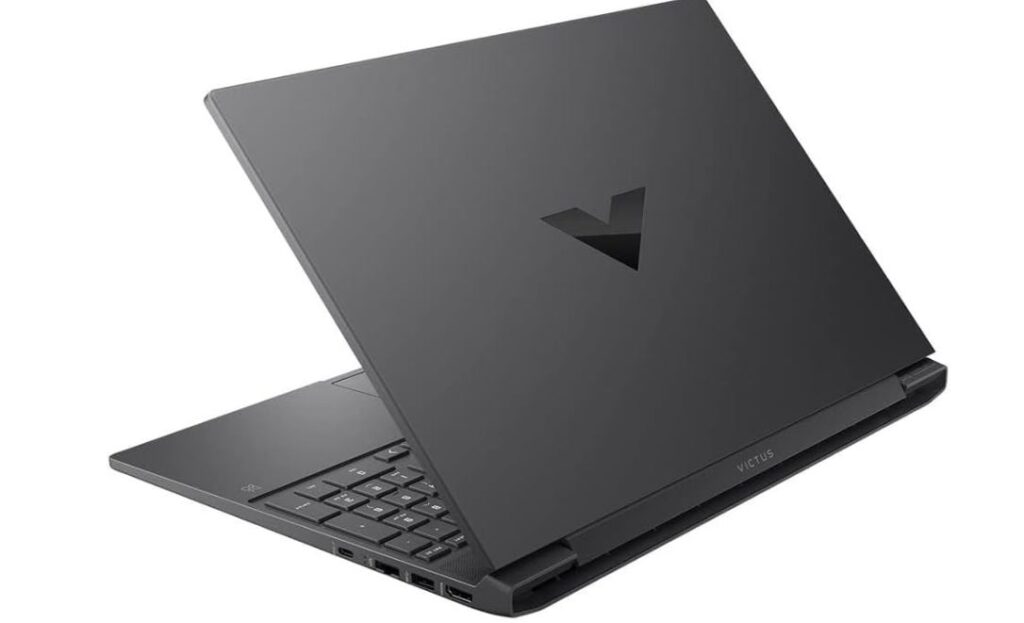
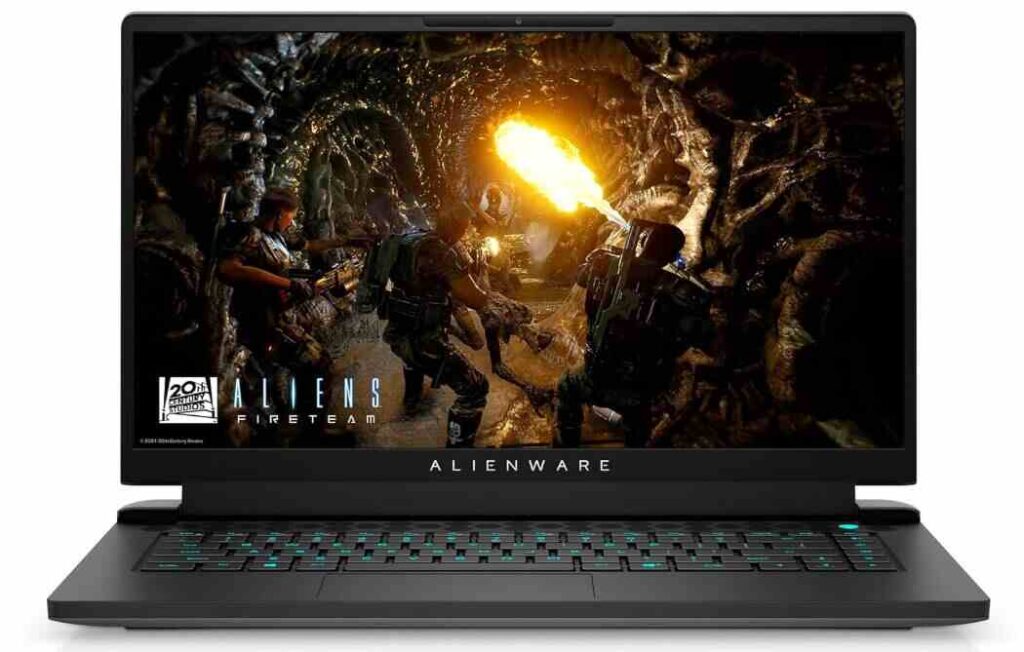
Best Laptops For Home Use.
Chapter 1 — Types of Computers for Home Use
Home users today can choose between several main form factors:
1. Laptops
Portable computers with built-in screens, keyboards, and batteries.
Best for: Flexibility, mobile work, students, families who share the same device.
Pros:
Portable — work anywhere
All-in-one package
Often long battery life
Great for casual users and office tasks
Cons:
Harder to upgrade
Thermal limits can restrict performance vs desktops
Recent expert guides list top laptops for 2026 including premium, creative, and productivity picks like new models with Intel Core Ultra and Apple M4/M5 chips. �
Tom’s Guide +1
2. Desktops of the best laptops for home use.
Traditional towers or compact units that sit on or under a desk.
Pros:
Expandable, more powerful per dollar
Better cooling
Easy to upgrade parts
Great for gaming or heavy workloads
Cons:
Not portable
Need separate monitor, keyboard, and mouse
Top desktop picks for 2026 include powerful all-round systems like the Dell Tower Plus, Apple iMac M4, and high-end gaming rigs. �
Top10Sense +1
3. All-in-One Computers
Desktops with everything built into the monitor chassis.
Pros:
Saves space
Fewer cables
Often stylish and minimalistic
Cons:
Harder to upgrade
Premium models can be expensive
The Apple iMac 24-inch M4 consistently ranks as a top all-in-one for home users due to its performance and display quality. �
TechRadar
4. Mini PCs
Tiny desktops that pack a lot of power in a small footprint.
Pros:
Compact, lightweight
Good for basic tasks and home office
Cons:
Limited internal expansion
Often less powerful than full desktops
Mini PCs like the Mac mini or Windows mini systems are excellent for living rooms or home offices. �
content://media/external/downloads/1731
Best Laptops For Home Use.
Cybernews
Read our guide on Laptop Buying Tips here: https://yourwebsite.com/laptop-buying-guide
Chapter 2 — Core Hardware Explained
Understanding the major components of a computer helps you make the best decision. Here’s what to look at:
1. Processor of the best laptops for home use(CPU) — The Engine
The CPU determines how fast your computer can handle tasks.
Intel Core i3 / AMD Ryzen 3: Good for basic tasks like browsing, video calls, and office apps.
Intel Core i5 / Ryzen 5: Great all-around choice — for everyday use and light content creation.
Intel Core i7 / Ryzen 7 and above: Excellent for video editing, gaming, and multitasking.
Apple Silicon (M-Series): Efficient, powerful chips from Apple used in Macs and MacBooks.
For home tasks such as working from home, streaming, and moderate creative work, aim for at least an Intel Core i5 / Ryzen 5 or Apple M-series based system. �
URSB Intranet
2. Memory of the best laptops for home use(RAM) — Multitasking Power
RAM helps your computer smoothly run multiple applications:
8GB: Minimum today; okay for basic work and light browsing.
16GB: Ideal for most users — multitasking, standard office apps, chrome tabs.
32GB or more: For creative work, video editing, or heavy multitasking.
For future-proof use and smooth performance, 16GB is generally recommended for home use today. �
URSB Intranet
3. Storage of the best laptops for home use— Speed + Capacity
Modern computers use two main storage types:
SSD (Solid State Drive): Fast boot times, snappy performance — highly recommended.
HDD (Hard Disk Drive): Slower, but offers more space for less money.
Most home users should choose a minimum 256 GB SSD, with 512 GB or 1 TB being ideal — especially if you want to store large files like videos or photo libraries. �
URSB Intranet
4. Graphics of the best laptops for home use (GPU)
Most basic tasks don’t require a powerful GPU.
Best Laptops For Home Use.
If you plan to:
Play modern games
Edit videos or 3D work
Do creative design
then a dedicated GPU (from NVIDIA or AMD) is important. For casual gaming and media, integrated graphics (built into the CPU) is usually fine. �
URSB Intranet
5. Battery Life of the best laptops for home use (for Laptops)
Laptop battery life matters if you move around. Aim for 8–15 hours of real-world battery life for most home users. Testing often reveals that manufacturer claims are optimistic — real testing matters most. �
URSB Intranet
6. Peripherals & Connectivity of the best laptops for home use.
Check that your system has:
Enough USB ports (Type-A and Type-C)
Wi-Fi 6 / Bluetooth 5.x
HDMI / DisplayPort
Ethernet (if needed for wired internet)
These affect how easily you can connect monitors, storage, and accessories. �
URSB Intranet
Choosing an OS depends on what you already use or prefer:
Windows
Most versatile
Works with most software
Best for gaming and general home use
macOS
Exclusive to Apple devices
Great for creative workflows and tight ecosystem integration
Excellent OS stability
Linux
Free and customizable
Popular with programmers and tech enthusiasts
May have compatibility issues with some apps
Chapter 4 — Best Computers for Home Use in 2026
Here’s a curated list of the top computers across categories based on expert tests and reviews:
Best Laptops for Home Use
Best All-Around Laptops
These handle daily tasks, creative work, productivity, and even some gaming:
Apple MacBook Air (M4) — Excellent performance, long battery life, great for creative work and education. �
Esquire
Dell XPS 14 (2026) — Sleek design, powerful Intel Core Ultra processor, great battery life. �
Tom’s Guide
Microsoft Surface Laptop 7 — Strong performance with Snapdragon X chips and long battery life. �
Windows Central
Best for Portability & Flexibility
Lenovo Yoga 9i 2-in-1 (Aura Edition) — Converts to a tablet, excellent for creative tasks. �
Tom’s Guide
HP Spectre x360 14 — Durable, versatile, and stylish convertible. �
Alibaba
Acer Swift Go 14 — Best value, long battery life, upgradeable RAM. �
Alibaba
Best for Gaming & High-Performance
ASUS ROG Zephyrus G14 (2026) — Strong performance with dedicated GPU. �
Alibaba
MSI Katana 15 / ASUS ROG Flow Z13 — Excellent gaming and creative performance. �
Esquire
B. Best Desktop Computers for Home Use
Best Overall Desktop Computers
Dell Tower Plus (2026) — Balanced performance for most home tasks. �
<a href=”https://www.apple.com” rel=”nofollow”>Apple</a>
Top10Sense
Apple iMac 24-inch M4 — Best all-in-one experience with excellent display. �
TechRadar
Apple Mac Mini M4 Pro — Compact desktop with strong performance. �
Top10Sense
Best for Power Users & Creative Work
Lenovo Legion Tower 7i — Powerful CPU + GPU for creators/gamers. �
content://media/external/downloads/1730
Top10Sense
Corsair Vengeance i7600 — Premium build, excellent thermal performance. �
Top10Sense
Best Budget Desktop Options
Acer Aspire TC-1760 — Great performance under $600. �
9meters
HP Slim Desktop — Very affordable basic use machine. �
9meters
Chapter 5 — Buying Advice for Different Users of the best laptops for home use.
Read our guide on Laptop Buying Tips here: https://yourwebsite.com/laptop-buying-guide
| 📊 HP EliteBook 1040 (14″) — Key Specifications | ||||
|---|---|---|---|---|
| Specification Category | Details | |||
| Model | HP EliteBook 1040 14″ Notebook (G11) | |||
| Operating System | Windows 11 Pro | |||
| Processor Family | Intel® Core™ Ultra 5 | |||
| Processor | Intel® Core™ Ultra 5 135U (up to 4.4 GHz, 10 cores / 14 threads) | |||
| Graphics | Integrated Intel® Graphics | |||
| Memory (RAM) | 16 GB LPDDR5x‑7500 (onboard) | |||
| Internal Storage | 512 GB PCIe® NVMe™ SSD | |||
| Display | 14″ WUXGA (1920×1200), IPS, anti‑glare, 400 nits, 100% sRGB | |||
| Touchscreen | No | |||
| Battery | 3‑cell 56 Wh Li‑ion polymer (fast charging supported) | |||
| Wireless | Intel® Wi‑Fi 6E AX211 + Bluetooth® 5.3 | |||
| Ports | 1× USB‑C (10 Gbps), 2× Thunderbolt™ 4, 1× USB‑A, HDMI 2.1, Audio jack | |||
| Camera | 5 MP IR webcam with privacy key | |||
| Audio | Quad speakers with discrete amps, dual array mics | |||
| Keyboard | Backlit, spill‑resistant | |||
| Weight | ~1.18 kg (varies by configuration) | |||
| Security | Fingerprint reader | |||
| Dimensions | ~31.39 × 21.99 × 1.05–1.49 cm |
Let’s break recommendations down by intent:
For Students
Budget laptops with long battery life
Solid multitasking performance
Examples: mid-range Windows laptops or a MacBook Air
Minimum 8GB RAM, 256GB SSD
For Work and Productivity
Aim for:
Comfortable keyboard and good battery
16GB RAM (recommended)
A reliable webcam and microphone
Microsoft Office or cloud productivity tools
For Gaming
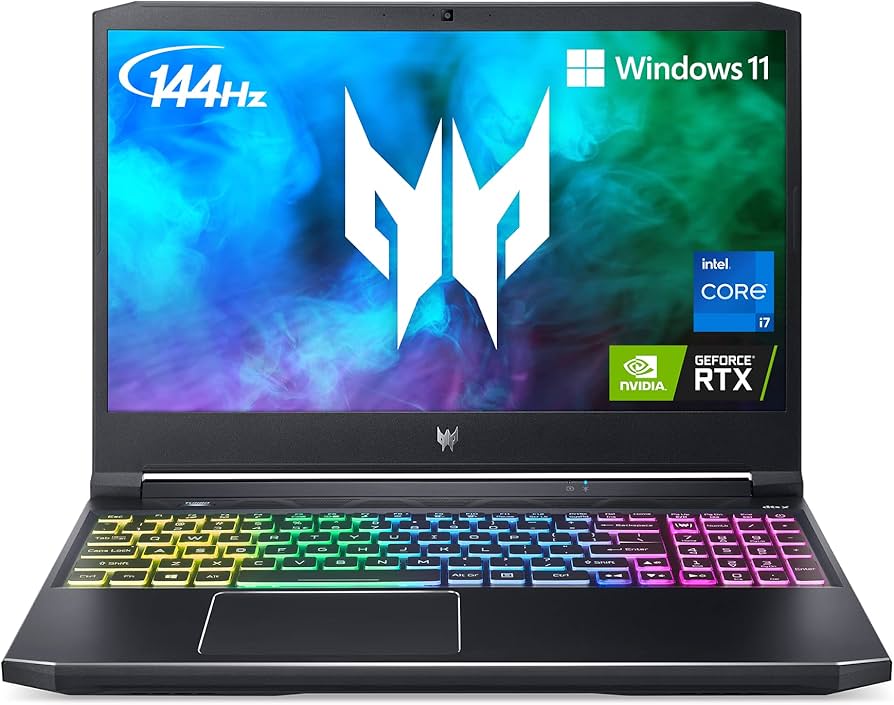
Dedicated GPU (RTX or Radeon series)
High refresh rate display (120 Hz+)
Larger SSD for game libraries
Desktops tend to offer more performance per dollar here, but gaming laptops are excellent portable alternatives.
For Creatives & Video Editing
At least 32GB RAM
Powerful CPU (e.g., Apple M-series or Intel Ultra)
Large, accurate display
Fast SSD storage
Chapter 6 — Future-Proofing & Longevity
To get a computer that lasts several years:
✔ Prioritize 16GB RAM or more
✔ Choose SSD storage
✔ Pick a system with modern USB-C and Wi-Fi 6/6E
✔ Avoid entry-level processors if you expect heavier usage soon
✔ Check upgradability (especially on desktops) �
For official Windows updates, visit Microsoft’s website: https://www.microsoft.com
To compare Apple models, visit https://www.apple.com
For processor benchmarks, check https://www.cpubenchmark.net
URSB Intranet
Best Laptops For Home Use.
Chapter 7 — Final Considerations
Budget vs Performance
Under $700 / ~KSh 100,000: Basic laptops or desktops — excellent for web browsing and office tasks.
$700–$1,500 / ~KSh 100,000–220,000: Best price-performance sweet spot.
Above $1,500 / ~KSh 220,000: Premium laptops/desktops — great for gaming and creative work.
Best Laptops For Home Use.
TL;DR — Best Choices by Category
Category
Top Pick
Why
Everyday Laptop
Apple MacBook Air (M4)
Portable, strong battery, versatile
All-in-One Desktop
Apple iMac 24″ M4
Beautiful display, powerful all-in-one
Budget Desktop
Acer Aspire TC-1760
Great price and performance
Creative Workstation
Lenovo Legion Tower 7i
High-end CPU/GPU
Gaming Laptop
ASUS ROG Zephyrus G14
Strong gaming performance
content://media/external/downloads/1732
Best Laptops For Home Use.
https://www.microsoft.com
For official Windows updates, visit Microsoft’s website: https://www.microsoft.com
To compare Apple models, visit https://www.apple.com
For processor benchmarks, check https://www.cpubenchmark.net
Read our guide on Laptop Buying Tips here: https://yourwebsite.com/laptop-buying-guide
Summary
Choosing the best computer for home use in 2026 depends on:
How you use it (work, gaming, media, creativity)
Your budget
Whether you want portability
How long you want it to last
Best Laptops For Home Use.
For official Windows updates, visit Microsoft’s website: https://www.microsoft.com
To compare Apple models, visit https://www.apple.com
For processor benchmarks, check https://www.cpubenchmark.net
By understanding the key components (CPU, RAM, storage) and prioritizing performance where it matters to you, you can get a system that fits your lifestyle and provides years of reliable use.
Read our guide on Laptop Buying Tips here: https://yourwebsite.com/laptop-buying-guide
Best Laptops For Home Use.